
Step-by-Step Local SEO Guide Dominate Your Local Search
Local visibility has become a must-have for every business, and that’s exactly why this step-by-step local SEO guide was created—to help you rank higher, get more customers, and build long-term trust in your market. Whether you’re a new business owner, a marketer, or a growing brand, mastering local SEO gives you a competitive edge.
This comprehensive guide breaks down local SEO into simple, actionable steps that anyone can follow. With power strategies, expert insights, and E-E-A-T-focused recommendations, you’ll get everything you need to strengthen your online footprint.
1. Understanding Local SEO Basics
Local SEO is the process of optimizing your online presence to attract customers from relevant local searches. While traditional SEO focuses on ranking globally, local SEO zeroes in on a specific geographical location.
Here’s the deal: people searching “near me” or “[service] in my city” are ready to act fast, often within hours. That’s why capturing these searches increases your chances of earning more clicks, calls, and customers.
1.1 What Makes Local SEO Different
Local SEO relies heavily on signals like:
-
Proximity
-
Relevance
-
Prominence
-
Review activity
-
Local citations
-
Google Business Profile optimization
Unlike general SEO, where backlinks and content dominate, local SEO places significant weight on:
-
Accurate NAP information
-
Local engagement
-
Customer feedback
-
Location-based keywords
1.2 Why Local SEO Matters for Small Businesses
Small businesses benefit most from local SEO because it connects them directly with high-intent buyers.
You get:
-
More foot traffic
-
More calls and inquiries
-
Increased brand trust
-
Stronger reputation
-
Better Google Maps visibility
A well-executed local SEO strategy ensures you never lose customers to nearby competitors again.
2. Optimizing Your Google Business Profile
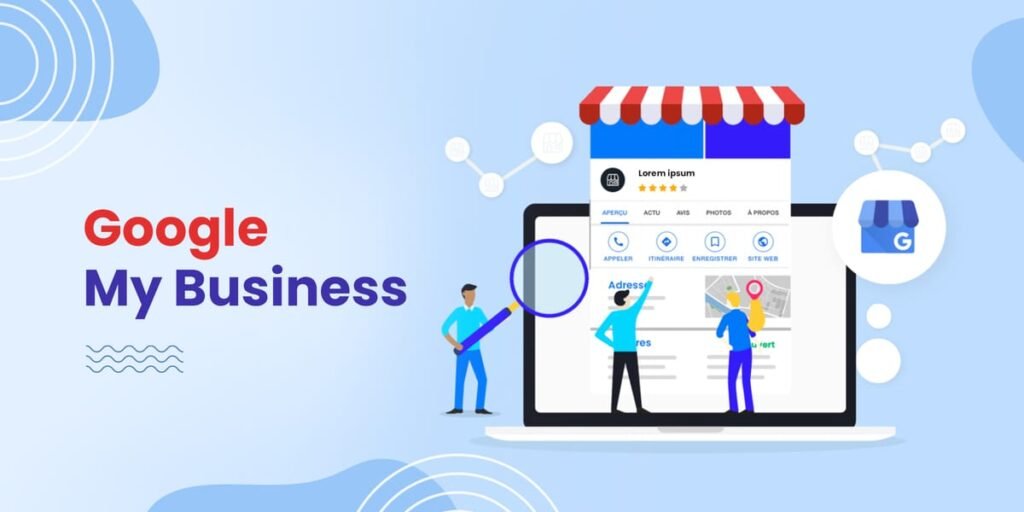
Google Business Profile (GBP) is the most important part of any step-by-step local SEO guide. Why? Because GBP listings take up the prime real estate on Google Maps and search results. With the right optimization, you can outperform bigger brands—even with a smaller budget.
2.1 Claiming & Verifying Your Listing
To get started:
-
Visit Google Business Profile Manager
-
Search your business name
-
Claim your listing
-
Verify through postcard, phone, or email
Verification ensures your business is recognized as legitimate—which increases rank trust.
2.2 Adding Categories, NAP, Photos & Services
A complete GBP profile ranks faster.
You must add:
-
Primary category (very important)
-
Secondary categories (optional but powerful)
-
Business name
-
Correct NAP details
-
Opening hours
-
Service areas
-
High-quality photos
-
Services offered
-
Business description with local keywords
Tip: Use real photos of your staff, location, and projects. Authentic images get 2x more engagement.
3. Building Consistent NAP Across the Web
NAP (Name, Address, Phone Number) consistency is a core ranking factor in any step-by-step local SEO guide. When your business details match everywhere, Google sees you as trustworthy.
3.1 Top Directories to List Your Business
You should list your business on:
-
Yelp
-
Bing Places
-
Yellow Pages
-
Apple Maps
-
Foursquare
-
Local chambers
-
Industry-specific directories
Each listing strengthens your online presence.
3.2 Avoiding Common NAP Mistakes
Most businesses lose ranking due to:
-
Misspellings
-
Old phone numbers
-
Duplicate listings
-
Incomplete profiles
Clean up any inconsistency before building new citations.
4. Boosting Local Rankings with On-Page SEO
On-page optimization is the backbone of your website’s local visibility. Even a perfectly optimized GBP won’t perform well without strong website signals.
4.1 Local Keyword Research
Use tools like:
-
Google Keyword Planner
-
Ahrefs
-
Semrush
-
Ubersuggest
Target phrases like:
-
“SEO Services near me”
-
“[city] [service] providers”
Include these keywords naturally—never keyword-stuff.
4.2 Local Landing Page Optimization
Each service or location should have its own landing page.
Include:
-
Local keywords
-
Local schema markup
-
Customer testimonials
-
Local maps embed
-
Clear CTAs (Call Now, Get a Quote, etc.)
Example:
If you serve 3 cities, create 3 optimized location pages.
5. Creating Localized Content That Converts
Content helps establish your expertise and improves ranking. The goal is to show Google and customers that you understand your community.
5.1 Location Pages
Create powerful location-based pages:
-
City service pages
-
Neighborhood landing pages
-
Zip-code optimized pages
These pages help you dominate multiple local markets.
5.2 Local Blog Topics
Write about:
-
Local events
-
Seasonal tips
-
City-specific issues
-
Case studies
-
Customer stories
Local content builds trust and relevance.
6. Earning High-Authority Local Backlinks
Backlinks from local websites boost your prominence. Even a few quality local backlinks can outperform 100 low-quality ones.
6.1 Local Partnerships
Try:
-
Sponsoring events
-
Partnering with schools
-
Collaborating with local charities
These provide genuine, powerful links.
6.2 Local PR Outreach
Use media sites to get featured.
Example external link inspiration: https://moz.com/learn/seo/local
Press coverage strengthens your brand authority and rankings.
7. Managing & Generating Customer Reviews
Reviews influence both rankings and conversions. Google trusts businesses that customers vouch for.
7.1 Getting More Google Reviews
Ask customers through:
-
Email follow-ups
-
SMS reminders
-
In-store signage
-
WhatsApp links
Never buy fake reviews—Google penalizes heavily.
7.2 Responding to Reviews Effectively
Always:
-
Reply quickly
-
Thank the customer
-
Address issues positively
-
Avoid defensive language
Good responses show professionalism and improve customer trust.
❓ FAQs
1. What is local SEO and why is it important?
Local SEO helps businesses attract nearby customers by improving visibility in local searches. It’s essential because people searching locally are ready to buy.
2. How long does it take to see local SEO results?
Most businesses see noticeable improvement in 6–12 weeks, depending on competition and optimization quality.
3. Is Google Business Profile mandatory for local SEO?
Yes. It’s one of the top ranking factors and without it, your chances of appearing on Google Maps drop significantly.
4. How many reviews should I aim for?
Aim for at least 25–50 positive reviews, but consistency matters more than numbers.
5. Do citations still matter in 2025?
Absolutely. Citations strengthen your online identity and boost trust signals for Google.
6. Can small businesses beat big companies with local SEO?
Yes! With a well-optimized strategy, local businesses often outperform large national brands in local searches.
Conclusion
Improving your local visibility doesn’t have to be complicated. By following this step-by-step local SEO guide, you can steadily rise above competitors, attract customers, and grow your business with predictable results. Start implementing the strategies today—and watch your local presence expand.

Contact
Info@derbyseo.com
+92 300 1244222
© 2023 Created by derbyseo