
Ultimate On-Page SEO Checklist for Higher Rankings
Introduction to On-Page SEO
On-page SEO is the practice of optimizing individual web pages to improve search engine rankings and attract relevant traffic. Unlike off-page SEO, which focuses on backlinks and external signals, on-page SEO ensures that everything on your website, from content to technical elements, is structured for both users and search engines.
A strong on-page SEO strategy starts with understanding user intent and aligning content to meet that need. Keywords play a vital role, but it’s not just about inserting them randomly. Proper keyword placement in titles, headings, meta descriptions, and body content helps search engines understand the topic and relevance of your page.
Additionally, on-page SEO involves optimizing technical elements like URL structure, site speed, mobile-friendliness, and image attributes. These factors enhance the user experience and signal to search engines that your site is trustworthy and well-maintained.
Another critical aspect of on-page SEO is content quality. Search engines prioritize content that is original, informative, and engaging. Using internal links, headings, and multimedia elements helps organize the content, making it easier for users to navigate and for search engines to index.
An on-page checklist serves as a guide to systematically cover all these elements. By following a comprehensive checklist, website owners and SEO professionals can ensure that every page meets SEO best practices, improving visibility, click-through rates, and overall website performance.
Core On-Page SEO Checklist Items
Optimizing a web page requires attention to multiple on-page elements. A structured checklist ensures no crucial component is missed, improving both search engine rankings and user experience.
1. Keyword Research & Placement
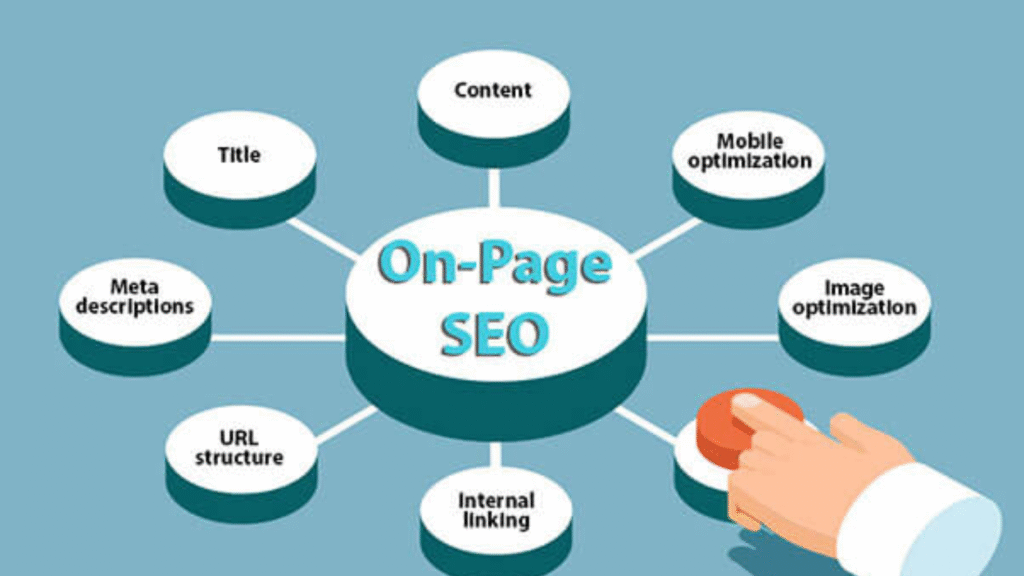
Effective on-page SEO begins with identifying the right keywords. Focus on a primary keyword and several related terms. Include them naturally in the title, headings, URL, meta description, and body content. Avoid keyword stuffing, as it can harm rankings.
2. Title Tag Optimization
The title tag is a critical ranking factor. Keep it under 60 characters and include the primary keyword near the beginning. Write compelling, descriptive titles that encourage users to click while accurately reflecting the page content.
3. Meta Description Optimization
Meta descriptions don’t directly impact rankings but influence click-through rates. Write concise descriptions (under 160 characters) incorporating primary and secondary keywords. Ensure they summarize the content clearly and attractively.
4. URL Structure
Create short, descriptive URLs that include the primary keyword. Avoid unnecessary numbers, symbols, or stop words. Clean URLs are easier to read, share, and index by search engines.
5. Header Tags (H1, H2, H3…)
Use a single H1 tag for the main topic and H2/H3 tags for subheadings. Properly structured headers enhance readability and help search engines understand content hierarchy. Include keywords naturally without forcing them.
By following these core on-page SEO practices, website owners can ensure that each page is optimized for search engines and users alike, laying a strong foundation for higher rankings and better engagement.
Content Optimization Checklist
Content is the heart of on-page SEO. Well-optimized content not only ranks better but also keeps users engaged. Following a structured checklist ensures your content meets both search engine and audience expectations.
1. High-Quality Content
Content should be original, informative, and relevant to the target audience. Focus on solving user problems and providing value. Avoid duplicate content, as it can negatively impact rankings. Well-researched content establishes credibility and trust.
2. Keyword Optimization
Use primary and related keywords naturally throughout the content. Incorporate them in headings, paragraphs, and lists without overstuffing. Include Latent Semantic Indexing (LSI) keywords to help search engines understand the context of your page.
3. Content Length & Structure
Content length should match user intent and provide comprehensive coverage of the topic. Break content into smaller paragraphs, use bullet points, and add subheadings for easy readability. Well-structured content enhances engagement and decreases bounce rates.
4. Internal Linking
Link relevant pages within your website to guide users and distribute link equity. Use descriptive anchor text that clearly indicates the linked page’s content. Proper internal linking improves crawlability and helps search engines index your pages effectively.
5. Multimedia & Visuals
Include images, videos, infographics, and other media to enhance understanding and engagement. Optimize image alt text with keywords and compress files to improve page load speed. Visual content makes pages more appealing and shareable.
By following this content optimization checklist, websites can create pages that satisfy user intent, improve dwell time, and signal quality to search engines, all of which contribute to higher rankings and better organic traffic.
Technical On-Page SEO Checklist
Technical optimization ensures that your website runs smoothly, loads quickly, and is easy for search engines to crawl and index. It complements content optimization and is crucial for overall SEO performance.
1. Page Speed Optimization
Website speed is a key ranking factor and affects user experience. Compress images, minify CSS and JavaScript files, and leverage browser caching. Use tools like Google PageSpeed Insights to identify and fix performance issues.
2. Mobile Friendliness
With mobile-first indexing, websites must perform well on all devices. Implement a responsive design, check mobile usability, and ensure clickable elements are easy to interact with. Test pages across multiple devices to guarantee a seamless experience.
3. Image Optimization
Images should enhance the user experience without slowing down the site. Use descriptive file names, add keyword-rich alt text, and compress images for faster loading. Consider modern formats like WebP for better performance.
4. URL & Site Structure
Organize URLs logically and maintain a clear hierarchy. Avoid long, complex URLs and ensure every page is reachable within a few clicks from the homepage. A well-structured site improves crawlability and user navigation.
5. Schema Markup & Structured Data
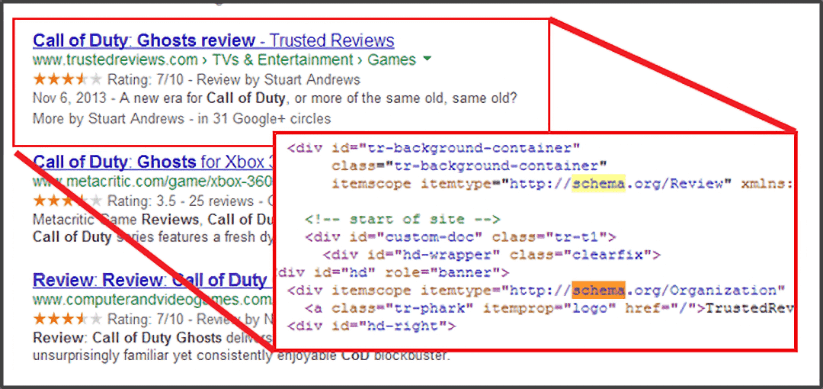
Add schema markup to provide search engines with additional context about your content. Implement relevant types such as Article, FAQ, LocalBusiness, or Breadcrumbs to enhance search result appearances and potentially gain rich snippets.
By addressing these technical aspects, websites become faster, more accessible, and easier for search engines to understand. Technical on-page SEO is essential for creating a strong foundation that supports content and improves overall search visibility.
User Experience (UX) Checklist
User experience (UX) plays a vital role in on-page SEO. A website that is easy to navigate, visually appealing, and engaging keeps visitors longer, reduces bounce rates, and signals quality to search engines.
1. Clear Navigation
Ensure your website has a simple and intuitive menu structure. Users should be able to find important pages quickly, and search engines should be able to crawl the site easily. Include breadcrumb navigation for better usability and indexing.
2. Readability
Content should be easy to read on all devices. Use legible fonts, proper spacing, headings, and bullet points. Avoid walls of text, and break content into smaller, digestible sections for a smoother reading experience.
3. Mobile Usability
A mobile-friendly website is essential as most traffic comes from smartphones and tablets. Ensure buttons are clickable, forms are easy to fill, and content adapts to different screen sizes. Test your site across multiple devices and screen resolutions.
4. Fast Loading Times
Even minor delays can frustrate users. Optimize images, use browser caching, and minimize heavy scripts to improve page speed. Tools like GTmetrix or Google PageSpeed Insights can help identify bottlenecks.
5. Engaging Multimedia & Interactive Elements
Use images, videos, infographics, and other media to make the page visually appealing. Interactive elements like FAQs, accordions, or polls can enhance engagement and encourage users to spend more time on the page.
By focusing on UX, websites can create a positive impression, retain visitors longer, and reduce bounce rates. A strong user experience directly supports on-page SEO efforts by improving engagement metrics, which search engines increasingly consider when ranking pages.
Final Review Checklist & Conclusion
After optimizing individual elements of a webpage, performing a final review ensures that all on-page SEO factors are properly implemented. This step helps identify missing items, inconsistencies, or errors before publishing or updating content.
1. Title & Meta Description
Verify that each page has a unique, keyword-optimized title under 60 characters and a meta description under 160 characters. Ensure they accurately reflect the content and encourage clicks from search results.
2. Header & Content Structure
Check that the H1 tag is used for the main topic and H2/H3 tags organize subtopics logically. Ensure content is clear, easy to read, and provides value to users. Keywords should be naturally integrated throughout the page.
3. Internal & External Links
Confirm internal links point to relevant pages with descriptive anchor text. Check that external links are functional and lead to authoritative sources. Proper linking supports crawlability and builds credibility.
4. Images & Multimedia
Ensure all images have descriptive, keyword-rich alt text and are compressed for faster loading. Multimedia elements like videos or infographics should enhance content and improve engagement.
5. Technical Checks
Run final checks for mobile-friendliness, page speed, URL structure, and schema markup. Fix broken links, missing tags, or slow-loading elements. Ensure all technical aspects support SEO and usability.
Conclusion
A comprehensive on-page checklist is essential for creating optimized, high-performing webpages. By systematically following the checklist—covering content, technical elements, user experience, and review—website owners can improve search rankings, drive more traffic, and enhance user engagement. Regular audits and updates ensure the site stays competitive and aligned with evolving SEO best practices.

Contact
Info@derbyseo.com
+92 300 1244222
© 2023 Created by derbyseo